
Recycling and Sustainability — Gardening Services Westminster
We are committed to building an eco-friendly waste disposal area within every project we undertake across the City of Westminster. As a dedicated provider of Gardening Services Westminster, our focus is on practical, measurable steps that turn green waste into resources: compost, mulch and recycled soil blends. Our approach treats the garden as part of a larger circular system — less landfill, more reuse. We believe sustainable rubbish gardening area practices are essential to maintaining healthy urban green spaces and reducing the borough's environmental footprint.Our sustainability plan balances day-to-day landscaping with long-term resource stewardship. We operate with a clear recycling percentage target, track materials diverted from landfill, and prioritise low-carbon logistics. Internally we require crews to segregate clippings, wood, soil and inert waste at the site to create a clean stream for recycling or composting. This reduces contamination and improves the value of material sent to authorised processing centres and local transfer stations.
 Westminster's borough approach to waste separation is reflected in our operations: many residents and businesses separate food, dry recycling and garden waste collections, and we sync with those standards to make disposal seamless. Our recycling activities include:
- green waste composting and on-site chipping for mulch
- wood recycling and reuse for timber projects
- soil remediation, screening and reuse for raised beds
- small-scale plastic, metal and glass recovery when encountered
- donation of healthy, reusable plants and pots to community groups
Targets, Tracking and Transfer Stations
We set a clear company-wide recycling percentage target to keep performance transparent and ambitious. Our goal is to achieve a 75% diversion rate for all garden-origin materials within three years, and to reduce overall landfill-bound materials generated by site activity by 90% through reuse and careful sorting. To achieve this we use authorised local transfer stations and recycling hubs across Westminster and neighbouring boroughs so materials are processed promptly and legally. Low-carbon vans and route-optimised logistics reduce emissions while moving materials between sites and transfer stations. Our fleet includes electric and hybrid vans for everyday rounds and cargo bikes for short trips in pedestrianised parts of central Westminster. Vehicles are scheduled to minimise empty mileage, and bulky green waste is consolidated to fewer trips. These measures support a low-emission, responsible Gardening Services Westminster model.
We also work with local transfer stations that specialise in composting and organic processing. This means wood chippings and garden trimmings collected by our teams go to facilities equipped to convert them into marketable soil conditioners and council-compliant compost, rather than being sent to incineration or landfill. Proper classification and transfer paperwork ensures compliance with waste regulations and provides traceability for clients.
Partnerships with Charities and Community Reuse
Strong partnerships are central to our sustainable rubbish gardening area strategy. We collaborate with local charities, community gardens and social enterprises to divert reusable items: healthy potted plants, established shrubs, trellis and planters that are still fit-for-purpose. Donations support community greening projects and extend the lifecycle of garden materials.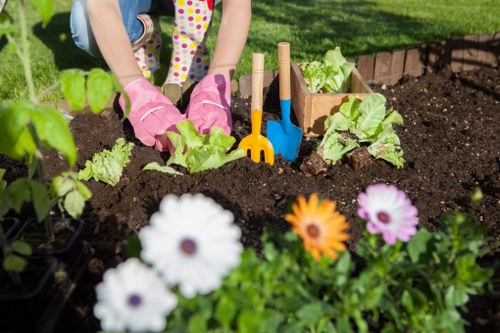 We maintain agreements with several borough-based community organisations that accept plant donations, reclaimed timber and surplus soil. These partnerships reduce waste handling costs, create social value and ensure that resources from commercial landscaping have a second life. When plants cannot be reused, they are processed into compost or woodchip rather than being treated as refuse.
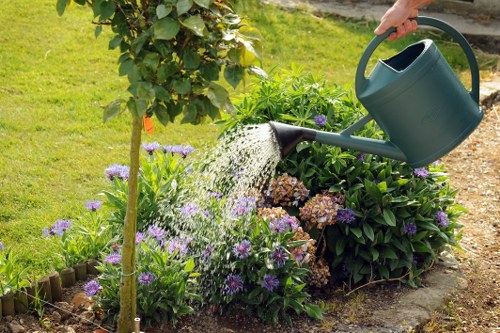 Operational guidance for our crews mirrors local council practice: separation of food and garden waste where relevant, bagging of contaminated materials for specialist disposal, and clear labelling of recycling streams before transfer. We use on-site segregation boxes and mobile chippers so that even tight urban gardens can become part of the borough's circular approach to waste separation.
To keep our commitments honest, we publish annual summaries of diversion rates and vehicle emissions reductions. We also invest in training for staff on how to manage an eco-friendly waste disposal area on small residential plots, public parks and commercial sites. Training covers correct separation, contamination avoidance and opportunities for reuse — for example, turning old turf into erosion-control mats or converting prunings into path mulch.
Clients choosing our Westminster gardening recycling services benefit from a documented chain of custody for materials, proof of transfer to licensed facilities, and options to direct reusable items to charity partners. This transparency supports planning for a truly sustainable rubbish gardening area across the borough and helps clients meet their own sustainability policies.
In short, our Gardening Services Westminster blends practical on-site sorting, strong charity partnerships, authorised local transfer stations and a low-carbon fleet to deliver a resilient, measurable recycling and sustainability programme. By aiming for ambitious recycling percentage targets, investing in EV and hybrid vans, and coordinating with borough waste separation schemes, we turn garden waste into an asset rather than a liability — for people, plants and the city.